Focus
Business Strategy, Automotive Industry, Market Competition
Motivation
Localization, Innovation, Policy Alignment
About the project
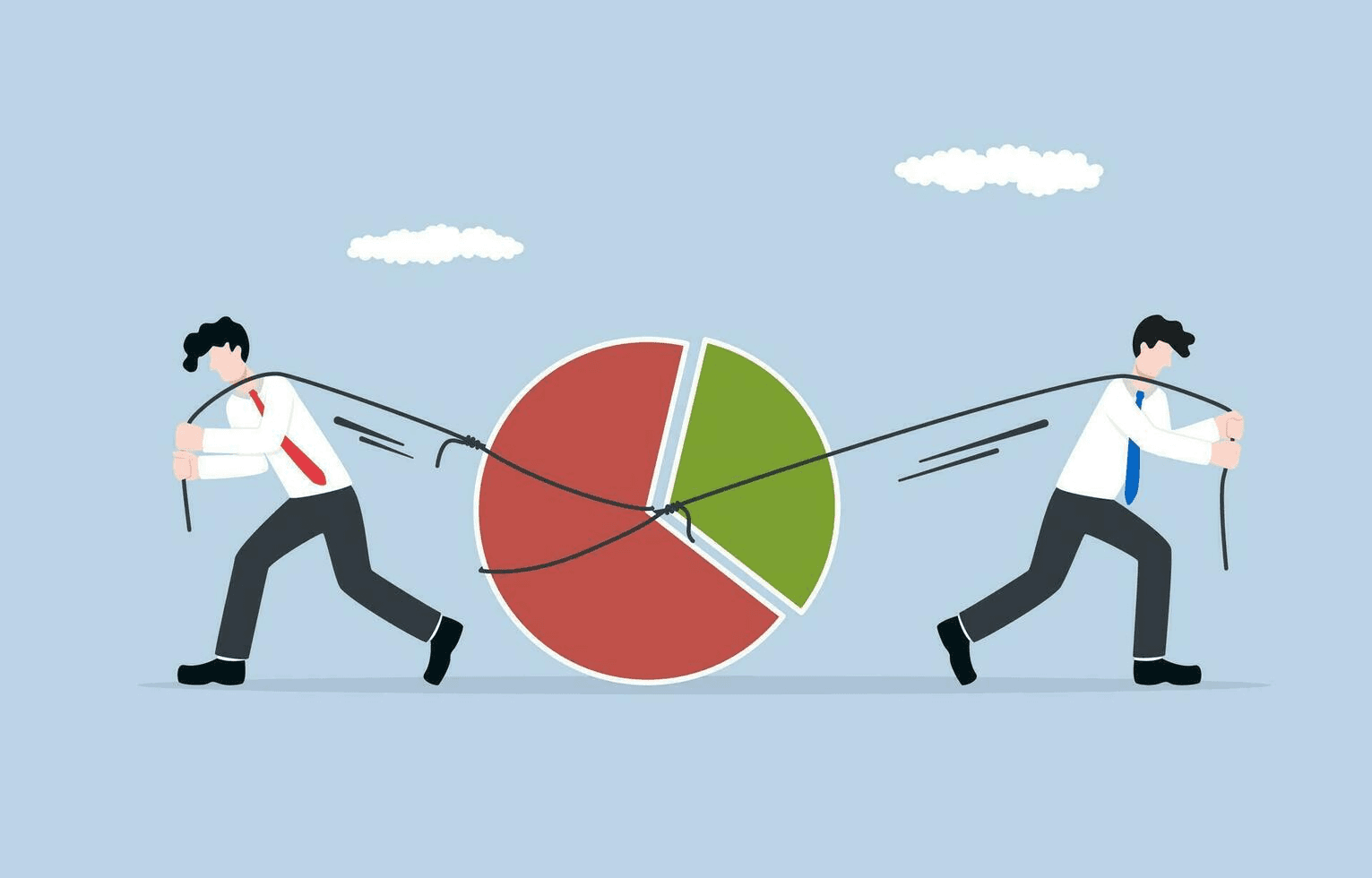
This research examines how Indian automotive companies navigate competition with foreign brands in an increasingly dynamic market shaped by technology, consumer expectations, and government policy. Using secondary data from 2020–2025, the study analyzes strategic factors that drive market success — including cost leadership, localization, electric vehicle (EV) adoption, and brand positioning. It contrasts the strengths of Indian OEMs such as Maruti Suzuki, Tata Motors, and Mahindra & Mahindra with global players like Hyundai, Kia, and Toyota, showing how each leverages different advantages — affordability and domestic trust on one side, safety, design, and premium technology on the other.
The study situates this competition within India’s evolving automotive ecosystem, where policy frameworks such as the Production-Linked Incentive (PLI) scheme, Make in India, and FAME initiatives have redefined industrial priorities toward sustainability and electric mobility. By tracing shifts in market share, product portfolios, and consumer preferences, the research highlights the emergence of SUVs and EVs as pivotal growth drivers. It also underscores the significance of rural expansion, digital engagement, and infrastructure readiness as determinants of long-term competitiveness.
Ultimately, the paper argues that India’s automotive landscape is transitioning from a cost-dominated market to one increasingly influenced by design innovation, policy synergy, and consumer experience. Domestic firms are responding by integrating vertical supply chains, investing in EV technology, and expanding local R&D capabilities, while foreign brands deepen localization to suit Indian road conditions and price sensitivities. The study concludes that future competitiveness in India’s automotive industry will hinge on how effectively firms blend global technological strengths with local market intelligence and sustainability-driven practices.
Check out more projects