>

>

What Explains the Adoption of Digital Payment Methods Among Individuals and Firms in India, and How Have Public Policy Interventions Streamlined and Shaped the Structure of This Transition?

What Explains the Adoption of Digital Payment Methods Among Individuals and Firms in India, and How Have Public Policy Interventions Streamlined and Shaped the Structure of This Transition? | RISE Research

Focus

UPI, Digital Payments, Financial Inclusion, Fintech Adoption, Public Policy, Demonetization

Motivation

Financial Inclusion, Digital Access, Policy Impact

About the project

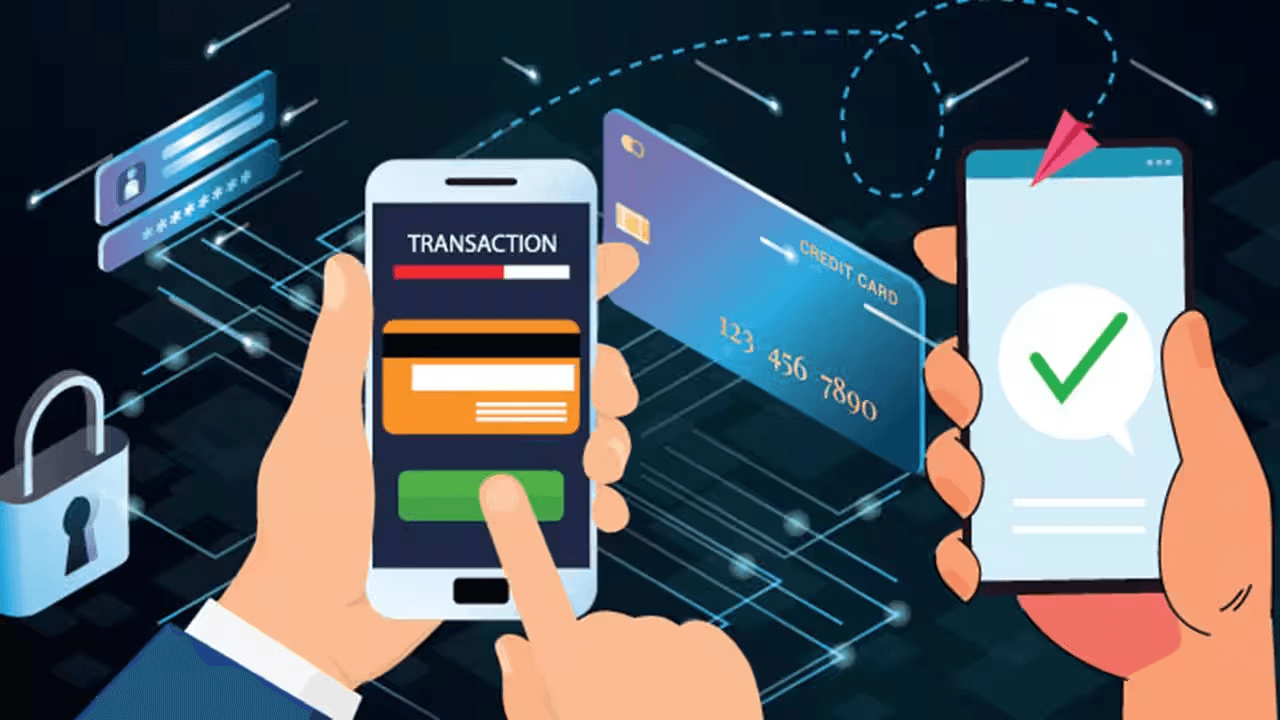
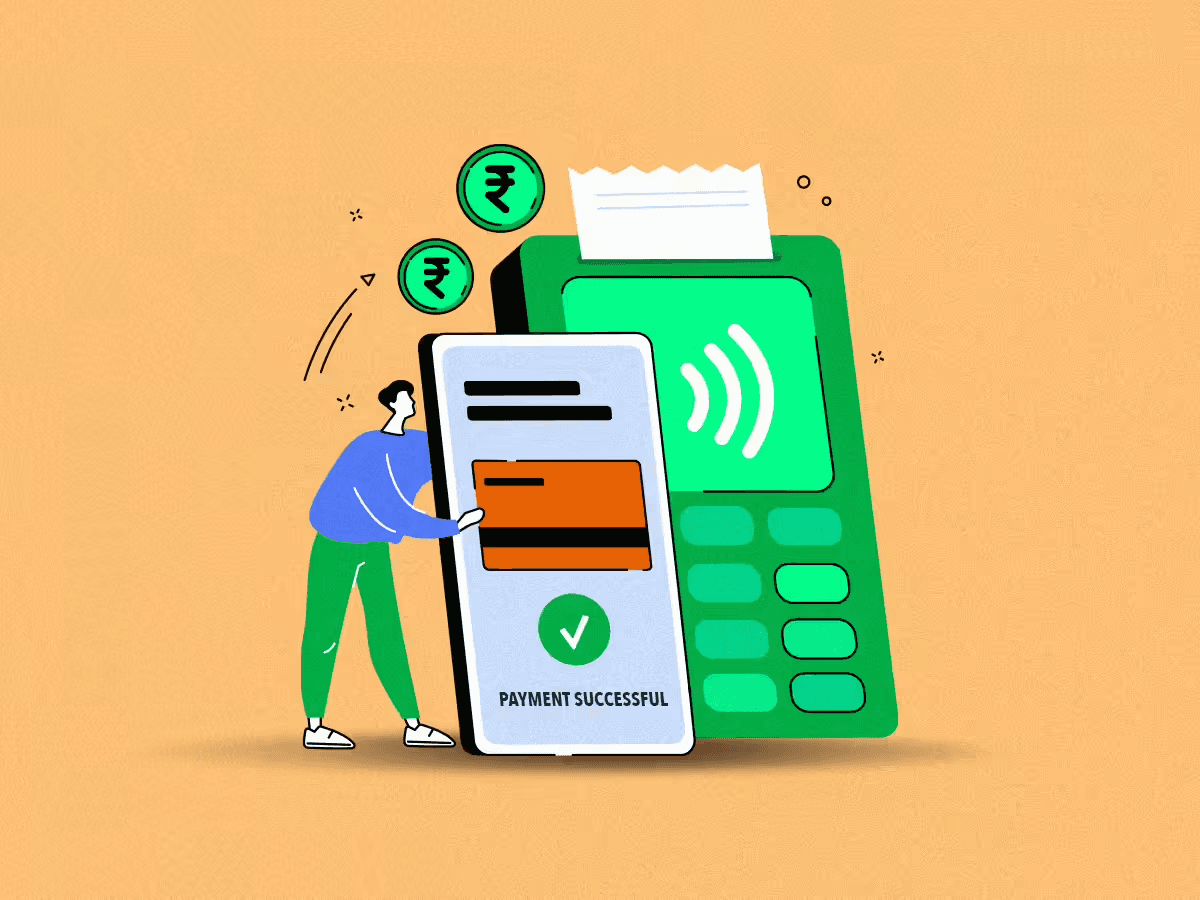
This paper investigates what explains the adoption of digital payment methods among individuals and firms in India, and how public-policy interventions have streamlined and shaped the structure of that transition. Centred on the Unified Payments Interface (UPI) and the broader move toward a cashless economy, it treats digital-payment adoption not as a purely technological story but as the product of deliberate policy design interacting with consumer and merchant behaviour. The study brings together a wide range of factors that drive adoption, including network effects, financial literacy, risk perception, transaction costs and the role of digital infrastructure, and interprets them through frameworks such as the Technology Acceptance Model. On the policy side, it examines interventions including demonetisation, the Jan Dhan Yojana financial-inclusion drive, Aadhaar-based identity, BHIM-UPI and the Zero Merchant Discount Rate, analysing how each shaped the incentives for individuals and firms to transact digitally and how merchant adoption and low-value transactions expanded, particularly in the post-COVID period. The paper's focus is on the structure of the transition: not merely whether adoption rose, but how public-private collaboration, economic externalities and questions of social welfare, market failure and the digital divide combined to produce India's distinctive digital-payments landscape. Grounded in economics, it frames UPI's growth as a case study in how targeted public policy can streamline a large-scale behavioural and infrastructural shift, while remaining attentive to who is included and who is left behind. The work connects financial inclusion, fintech adoption and government intervention into a single account of India's rapid digitalisation of payments.

Want to build a standout academic profile?

Interested in research mentorship?

Book a free call
Book a free call

Check out more projects

Studying the Differences in Digital Transaction Adoption Rates Among the Poorest and the Rich in India

By :

Vihaana V.

View

Comparative Analysis of US and Chinese Development Assistance to the Philippines: Influence on Philippine Policy on the South China Sea

By :

Jaanki U.

View

What Are the Strategies Which Can Be Implemented by Businesses to Protect Teenagers from the Negative Impacts of Artificial Intelligence?

By :

Nihaal J.

View

Studying the Differences in Digital Transaction Adoption Rates Among the Poorest and the Rich in India

By :

Vihaana V.

View

Comparative Analysis of US and Chinese Development Assistance to the Philippines: Influence on Philippine Policy on the South China Sea

By :

Jaanki U.

View

How to Apply

1.

Parent Consultation Call

2.

⁠Research Application Form

3.

⁠Profile Shortlisting

4.

⁠Program Onboarding

How to Apply

1.

Parent Consultation Call

2.

⁠Research Application Form

3.

⁠Profile Shortlisting

4.

⁠Program Onboarding

How to Apply

1.

Parent Consultation Call

2.

⁠Research Application Form

3.

⁠Profile Shortlisting

4.

⁠Program Onboarding

RISE Research Logo - Rise Global Education - Rise Research

+1 (617)-599-8288
admin@riseglobaleducation.com

3000 El Camino Real Bldg 4, Palo Alto, CA 94306, United States

Copyright © 2025 RISE Research

All rights reserved.

RISE Research Logo - Rise Global Education - Rise Research

+1 (617)-599-8288
admin@riseglobaleducation.com

3000 El Camino Real Bldg 4, Palo Alto, CA 94306, United States

Copyright © 2025 RISE Research

All rights reserved.